
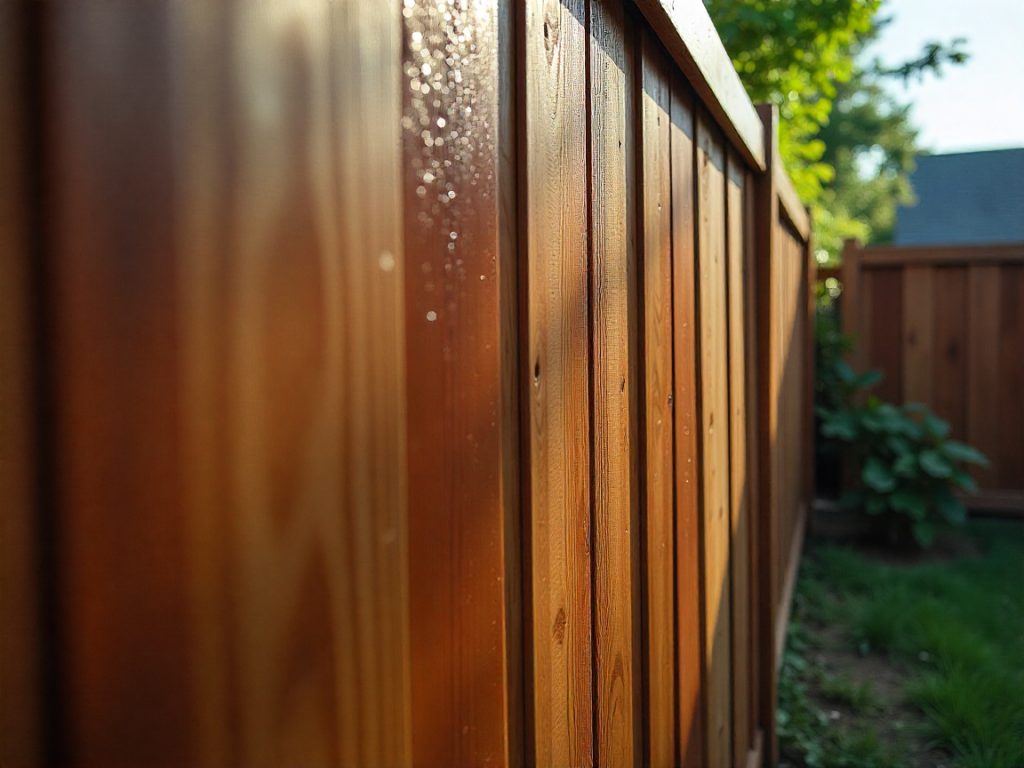
When it comes to fencing, looks are only part of the story. The material you choose has to cope with the weather where you live. From intense sun and dry winds to salt air and heavy rain, every climate affects your fence differently. Picking the right one means fewer repairs, longer life, and better value over time.
Why Climate Matters When Choosing a Fence
Climate directly impacts how long your fence will last and how much effort you’ll spend maintaining it. In dry regions, materials can crack or fade from constant sunlight. In humid areas, moisture leads to rust, rot, or mould. Even the ground conditions can influence how well a fence stays upright. Understanding these factors helps you select the most durable outdoor fences for your area.
Fencing for Hot and Dry Areas
If you live somewhere that gets long, scorching summers and little rainfall, your fence will have to handle extreme heat. Sun exposure can bleach paint, weaken materials, and make some surfaces brittle.
Best choices:
- Aluminium fencing: It resists rust, doesn’t warp, and reflects heat well.
- Vinyl fencing: It holds up under strong UV rays without cracking or peeling.
- Composite fencing: Made from a blend of wood fibres and plastic, it doesn’t dry out or split in the heat.
Pro tip: Choose lighter fence colours. They reflect sunlight better, reducing the risk of fading and expansion.
Fencing for Humid or Tropical Climates
In warm, moist regions, you’ll want a fence that can resist water damage and mould. Constant humidity can cause wood to rot and metal to corrode.
Best choices:
- Vinyl fencing: Completely moisture-resistant and doesn’t attract insects or rot.
- Powder-coated aluminium: The coating protects against corrosion and adds years to its lifespan.
- Treated hardwood: If you prefer wood, go for species like teak or spotted gum that naturally resist moisture.
Pro tip: Leave small gaps between fence panels to allow air to circulate and reduce mould growth.
Fencing for Coastal Areas
Salt air, strong winds, and moisture make coastal climates particularly harsh on fencing materials. Salt accelerates rusting and can damage paint finishes.
Best choices:
- Aluminium fencing: One of the most weather-resistant fencing materials for seaside homes. It won’t rust and is lightweight yet sturdy.
- Glass fencing: Tempered glass panels offer an open view and resist salt damage when cleaned regularly.
- PVC fencing: Low maintenance and unaffected by moisture or salt air.
If you’re considering a strong, weather-resistant option that suits coastal and urban homes alike, check out aluminium pool fencing in Sydney.
Fencing for Cold or Wet Climates
Cold and wet conditions bring unique challenges like frost heaving, rust, and decay. Freezing temperatures can crack unsealed materials and loosen fence posts.
Best choices:
- Galvanised steel fencing: Its zinc coating keeps rust at bay and makes it strong enough to withstand snow and wind.
- Vinyl fencing: Doesn’t absorb water, so it stays intact during freeze-thaw cycles.
- Pressure-treated wood: Ideal if sealed properly. Regular maintenance helps prevent rot.
Pro tip: Set your posts below the frost line to avoid shifting during cold months.
What to Consider Before Deciding?
- Maintenance: Some materials, like wood, require ongoing care. Others, such as vinyl or aluminium, need very little attention.
- Appearance: Your fence should blend with the overall look of your home while meeting your privacy and security needs.
- Budget and longevity: A low-cost fence might seem appealing now but could cost more in upkeep later.
- Local rules: Check fencing regulations in your area before installation.
Final Thoughts
There’s no one-size-fits-all answer when it comes to fencing materials. The best choice depends on your climate, lifestyle, and how much maintenance you’re willing to do. Whether it’s the scorching sun, coastal salt, or chilly winters, picking weather-resistant materials ensures your fence stays strong and attractive for years to come.