
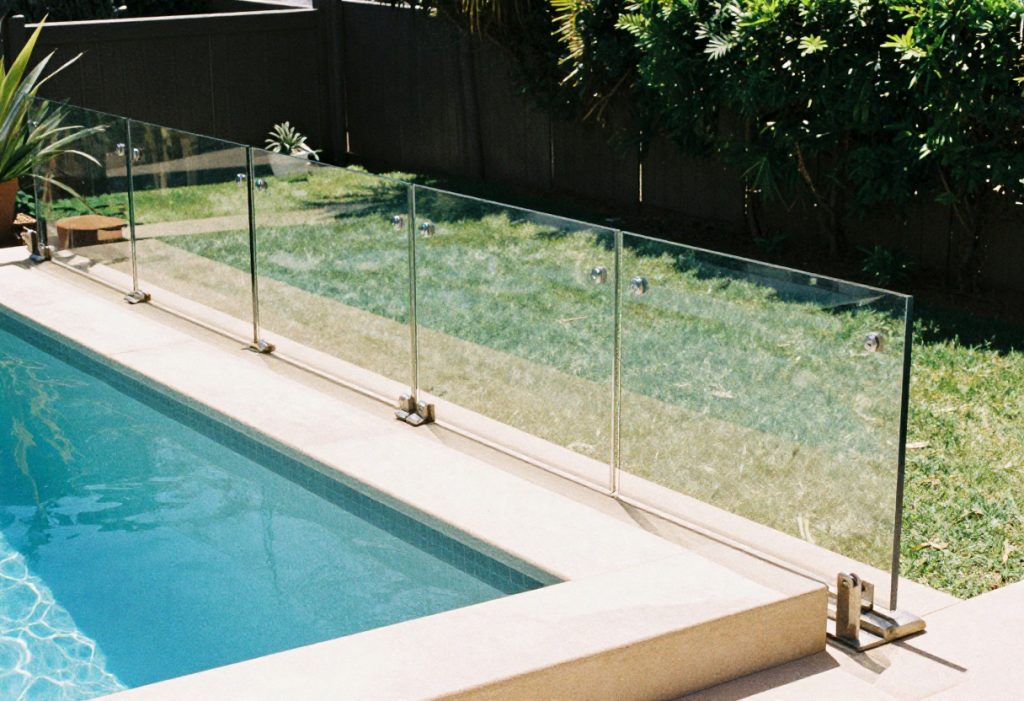
A pool fence is more than a finishing touch around your outdoor area. It plays a major role in safety, compliance, and the overall look of your space. But long before panels or spigots are placed, the pool fence ground conditions determine how well everything will hold up. The success of any DIY pool fence installation depends heavily on slope, soil type, moisture levels, and the natural movement of the earth. These pool fence ground conditions shape how secure the fence will be and how well it stays aligned over time.
Across Sydney and NSW, outdoor areas come with a wide mix of surfaces. Some are flat and firm, others uneven and moisture-heavy. Understanding pool fence ground conditions and outdoor terrain challenges can help homeowners plan better, avoid hidden costs, and ensure their fence stays compliant with pool safety rules.
How does sloped ground influence fence layout?
Sloped yards are very common, especially in older suburbs or homes built on natural gradients. A slope may look minor at first glance, but it has a direct impact on pool fence ground conditions, influencing how the fence line is designed, how each panel sits, and how safe the finished result will be. When the ground rises or falls, the fence must be adjusted to stay level while keeping the correct height above finished ground.
For sloped ground fencing, stepping is one of the most effective methods. Each panel is kept level, and the fence gently climbs or descends the slope in stages. This approach works with the existing pool fence ground conditions, keeps the top line clean, and maintains the minimum height required under NSW pool safety laws.
On steeper slopes, installers may need to use specialised hardware, deeper footings, or custom panel adjustments. A fence that follows the slope exactly without stepping might drop too low in some areas, leading to non-compliance. Proper planning around pool fence ground conditions ensures the fence meets safety rules across the entire length.
How does soil type affect structural stability?
Soil plays a bigger role than most people realise. Pool fence ground conditions are heavily influenced by soil type, which determines how deep spigots or posts should go, what kind of footing is required, and how the fence performs through seasonal changes.
- Sandy soil is free-draining but loose. It does not hold fixings tightly unless reinforced with deeper concrete footings.
- Clay soil expands when wet and shrinks when dry, making pool fence ground conditions more unstable if moisture is not properly managed.
- Rocky ground provides excellent long-term stability but requires extra time and equipment for drilling.
- Loam soil is often ideal, offering a balanced mix of drainage and structural support.
Professional installers assess soil composition carefully to ensure the pool fence ground conditions will not cause movement or alignment issues over time.
Why do drainage and moisture levels matter?
The way water moves through your yard directly affects pool fence ground conditions. Excess moisture softens soil, reducing the fence’s ability to stay upright and aligned. This makes drainage a critical factor in any pool fence installation.
If water pools along the fence line, soil movement becomes more likely during wet weather. Over time, shifting pool fence ground conditions can cause spigots to sink, panels to tilt, or gaps to form at the base of the fence.
During site inspections, installers look closely at drainage patterns. Depending on the pool fence ground conditions, they may recommend sealing around spigots, installing concrete pads, adjusting the fence layout, or improving drainage paths to protect long-term stability.
Working with uneven or inconsistent ground
Uneven surfaces introduce further challenges to pool fence ground conditions. Small dips, bumps, or undulations can disrupt panel alignment and create compliance risks if not managed correctly.
To overcome uneven pool fence ground conditions, installers may use adjustable spigots, minor ground levelling, or stepped panel layouts. These techniques help maintain a straight visual line while ensuring the fence meets all pool safety requirements.
Although these adjustments may seem minor, they are essential for a professional and durable installation.
Understanding site obstacles during installation
Every yard presents unique physical obstacles that influence pool fence ground conditions. Trees, retaining walls, garden beds, decks, and existing structures can all affect how and where a fence is installed.
For example, retaining walls may require core-drilled spigots, while decked areas often need reinforced support beneath the surface. Tree roots or large rocks can require layout changes to suit the existing pool fence ground conditions without compromising safety or appearance.
Experienced installers factor in these site-specific challenges to ensure the fence remains structurally sound.
Why does experienced planning make installation smoother?
Careful planning is essential when working with varying pool fence ground conditions. Before installation begins, professionals assess slope, soil behaviour, drainage patterns, and surface consistency. This preparation ensures the fence stays compliant, stable, and visually aligned as ground conditions change over time.
Glass & Fencing Warehouse has experience working across a wide range of pool fence ground conditions throughout Sydney and NSW. The combination of practical planning and quality materials results in fences that remain straight, secure, and visually appealing for years.
Final thoughts and next steps
A strong and safe pool fence starts with understanding pool fence ground conditions. By considering slope, soil composition, drainage behaviour, and site obstacles early, homeowners can avoid future issues and ensure a long-lasting installation. These ground-related factors may seem minor, but they play a major role in safety, compliance, and durability.If you are ready to plan your project, you can request a quote through the Glass & Fencing Warehouse pool fencing quote page to receive guidance tailored to your specific pool fence ground conditions.