
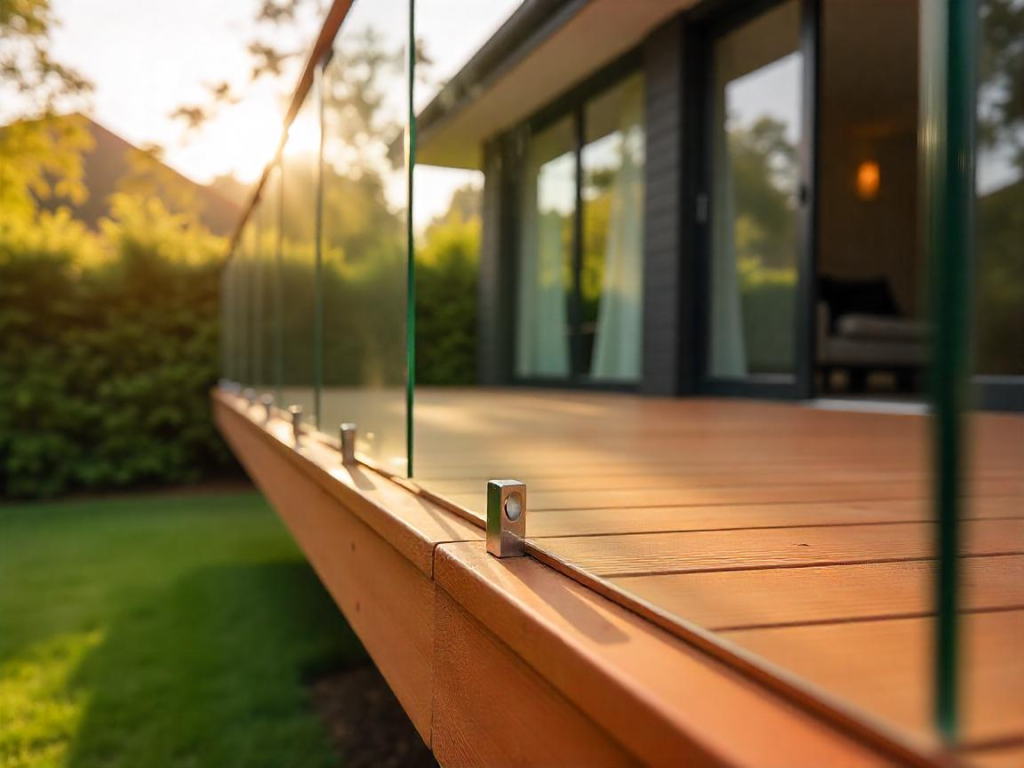
When planning the installation of a glass balustrade for decking, it’s critical to consider the engineering aspects that impact safety, durability, and compliance. From span and load ratings to anchoring methods and substrate suitability, each factor plays a key role in the performance of the final structure. Whether you’re working with frameless or semi-frameless options, these considerations ensure your system is built to last and meets all relevant Australian Standards.
Understanding Span Requirements
The glass balustrade for decking must be engineered to support required loads over specific spans without compromising safety. Span refers to the distance between vertical supports, and it directly affects the thickness of glass required and the type of fixing system used.
Standard span limits for frameless balustrades typically fall between 900 mm to 1200 mm, depending on the glass thickness (usually 12 mm to 15 mm toughened safety glass). The longer the span, the more deflection can occur, which may compromise structural integrity or lead to non-compliance.
Span charts—often provided by manufacturers—outline the maximum allowed span based on glass type, thickness, and fixing method. These charts are essential references for both DIY installers and professionals, especially when selecting products for elevated decks and balconies.
Load Considerations in Deck Balustrades
Another critical engineering factor in any glass balustrade for decking is load performance. In Australia, balustrades must comply with AS 1170.1 structural design actions, which specifies the minimum imposed actions a barrier must withstand. For domestic decks, the balustrade system typically needs to resist:
- A concentrated horizontal load of 0.6 kN applied at any point
- A distributed horizontal load of 0.4 kN/m across the top rail
- Infill panels like glass must also withstand loads without shattering or dislodging
For frameless designs, these loads are absorbed entirely by the glass and its fixing hardware, making quality components and correct spacing crucial.
Fixing Types for Glass Balustrades
Choosing the right fixing method is essential to the structural integrity of your glass balustrade for decking. The three most common systems are:
- Spigot Fixing
This is popular in frameless glass balustrade installations. The glass panels are clamped at the base using stainless steel spigots fixed to the substrate. Spigot systems offer clean lines and minimal obstruction but demand precise alignment and strong anchoring into concrete or reinforced timber. - Channel Fixing
Also known as concealed base channel systems, this method involves setting the glass into an aluminium channel that’s either surface-mounted or recessed. It provides a sleek appearance and enhanced stability, particularly for long spans or high wind zones. - Pin or Stand-off Fixing
In this method, round stainless steel bolts (stand-offs) secure the glass to the side of the deck. While stylish, this option demands exact structural support and careful sealing to prevent water ingress behind the glass.
Each fixing type has unique benefits and installation requirements. The decision often depends on the design preference, substrate type, and whether the balustrade is installed at height or in a high-traffic area.
Substrate Suitability for Safe Installation
The safety of a glass balustrade for decking installation heavily relies on the strength of the underlying substrate. Timber decks, concrete slabs, and steel structures each require specific anchor types and installation techniques.
- Concrete Substrates
Concrete offers the most secure fixing base. Mechanical expansion anchors or chemical anchoring systems are often used with spigots or base channels. Always ensure the concrete is properly cured and crack-free. - Timber Substrates
When anchoring into timber, structural-grade framing must be present beneath the decking surface. Use structural screws or coach bolts with reinforced plates to distribute load evenly. Decking boards alone are never sufficient. - Steel Substrates
Fixing into steel may involve bolting or welding brackets to a steel beam. All fixings must be corrosion-resistant, and edge distances must be strictly adhered to.
The choice of fixing system must always consider the substrate’s load-bearing capacity, especially when dealing with frameless glass balustrades that rely solely on the base fixings for support.
Glass Type and Safety Standards
All glass balustrade for decking systems in Australia must use toughened safety glass compliant with AS 1288. For frameless systems, 12 mm or 15 mm toughened monolithic glass is standard. For semi-frameless options, 10 mm glass in combination with vertical posts or handrails is more common.
Where the balustrade is installed more than 1 metre above ground level, additional safety measures such as interlinking top rails or handrails may be mandatory. Always consult a qualified installer or structural engineer when designing a balustrade for elevated decks or balconies.
Maintenance and Durability Considerations
While engineering ensures initial safety, ongoing durability of a glass balustrade for decking depends on materials, finish, and environment. Marine-grade stainless steel fixings (316 grade) are recommended in coastal areas to prevent corrosion. Powder-coated aluminium components and toughened glass offer long-term resistance to UV exposure and temperature changes.
Regular inspections are advised to check for movement, loosening of fixings, or signs of corrosion—especially in exposed outdoor areas.
Conclusion
Installing a glass balustrade for decking involves much more than choosing a design that looks good. From span limitations and load requirements to substrate strength and fixing types, every element must be carefully considered to meet Australian safety standards and ensure long-term performance.
Whether you’re installing a frameless glass balustrade on a new deck or retrofitting an existing one, always refer to engineering documentation, product span/load charts, and AS standards. Partnering with experienced glass balustrade installers or consulting structural engineers can ensure your system is not only stunning but also safe and compliant.
Need materials or expert advice for your decking balustrade project? Glass & Fencing Warehouse offers high-quality components, expert guidance, and competitive pricing to support your next installation—Australia-wide.