
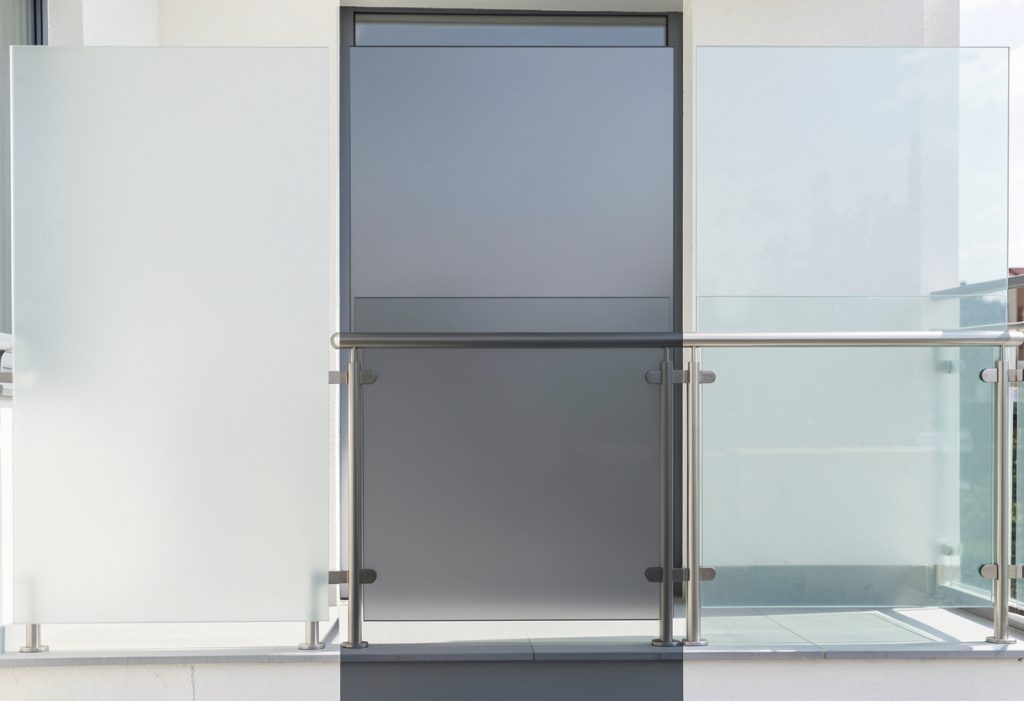
Choosing the right glass finish for a balustrade is rarely as simple as picking what looks good in a brochure. Privacy concerns, light transmission, glare, cleaning requirements, and planning approval all come into play. For many installers and homeowners, the uncertainty starts when deciding whether a frosted glass balustrade is the right fit, or whether tinted or low-iron glass would perform better on site. This article breaks down the real-world differences between these options so you can specify with confidence, avoid design regret, and deliver a finished result that works as well as it looks.
The Problem: Aesthetic Choices With Practical Consequences
Balustrades sit at eye level and often define how a space feels. The wrong glass choice can lead to complaints about privacy, unexpected glare, or a finished look that doesn’t align with the architecture. From an installer’s point of view, misaligned expectations can result in change requests, delays, or awkward handovers.
Understanding how different decorative glass options behave in everyday conditions helps avoid those issues before the first panel is ordered.
Frosted Glass: Privacy Without Blocking Light
When a Frosted Glass Balustrade Makes Sense?
A frosted glass balustrade is typically selected when privacy is required but natural light still matters. Acid-etched or sandblasted finishes diffuse light evenly, making them popular for balconies near neighbours, stair voids, or pool surrounds where visual screening is needed.
The key benefit is consistency. Unlike films, quality frosted finishes won’t peel or discolour over time. From a maintenance perspective, marks and fingerprints are less noticeable, which can be a practical advantage in high-traffic areas. Installers should note that edge quality and correct handling are critical, as damage to the surface finish is difficult to rectify once installed.
Tinted Glass: Controlling Glare and Heat
Tinted glass fencing is often chosen for exposed decks or coastal homes where glare and solar gain are ongoing issues. Grey, bronze, or green tints reduce brightness and can improve comfort without fully obscuring views.
The trade-off is colour distortion. Tinted glass fencing alters how surroundings appear, which may not suit all balustrade designs. It can also appear darker in shaded areas, something worth flagging with clients during the selection process. Correct specification helps ensure the tint complements nearby materials rather than competing with them.
Low-Iron Glass: Clarity Above All Else
Low-iron glass panels are designed to remove the green hue found in standard float glass. The result is exceptional clarity, making this option popular for high-end homes, waterfront properties, and architectural builds where visual transparency is the priority.
While low-iron glass panels deliver a premium finish, they are less forgiving of smudges and require regular cleaning to maintain their appearance. They are best suited to projects where aesthetics outweigh privacy concerns and maintenance expectations are clearly understood.
Compliance and Safety Considerations
Regardless of appearance, all balustrade glass must comply with Australian Standards, including AS 1288 and AS 2208. Thickness, fixing method, and edge treatment are non-negotiable from a safety perspective.
A frosted glass balustrade does not reduce structural performance when manufactured and installed correctly. The same applies to tinted and low-iron options. What matters is that the glass is toughened or laminated as required and installed using compliant hardware systems.
Installation Realities on Site
From an installation standpoint, different finishes behave differently during handling. A frosted glass balustrade requires careful protection during transport and installation to prevent surface marking. Tinted panels can highlight scratches if mishandled, while low-iron glass shows imperfections more readily than standard clear glass.
Clear communication between supplier, installer, and client is essential to align expectations around finish, tolerances, and final appearance.
Weighing Up the Benefits
Each option serves a different purpose:
- A frosted glass balustrade offers privacy with light diffusion
- Tinted glass fencing helps manage glare and sun exposure
- Low-iron glass panels prioritise clarity and architectural impact
The right choice depends on site conditions, client priorities, and long-term use, not just visual preference.
Making the Right Specification Decision
Before selecting a frosted glass balustrade or alternative finish, consider how the space will be used throughout the day, the level of privacy required, and the ongoing maintenance expectations. Reviewing samples on-site and discussing real-world outcomes can help prevent misunderstandings later in the build.
Clarity Through Informed Choice
Selecting the right balustrade glass is about balancing aesthetics with function. A frosted glass balustrade can be an excellent solution when privacy and light matter, while tinted and low-iron options suit different design goals. By understanding how each performs in practice, installers and decision-makers can avoid rework, meet compliance requirements, and deliver a finished result that stands up over time. If you’re unsure which option suits your project, working with an experienced supplier can help you specify with confidence and avoid costly compromises. For any type of balustrade installation, contact Glass and Fencing Warehouse, or you can request a quote online!